Bad Bunny Super Bowl 2026 Setlist: All Songs & Performance Details
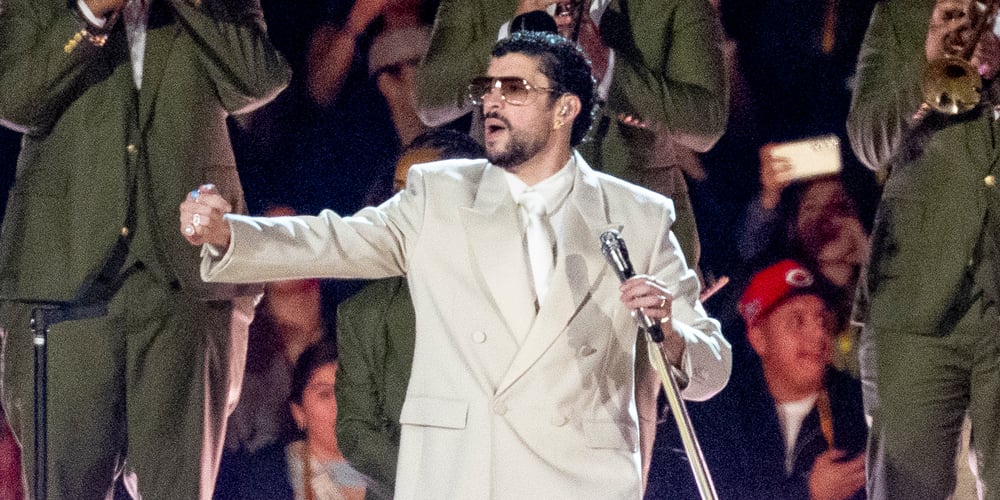
The 2026 Super Bowl Halftime Show etched its name into history, not just for the electrifying spectacle it delivered, but for the groundbreaking artist who commanded the stage: Bad Bunny. On Sunday, February 8, 2026, at Levi's Stadium in Santa Clara, California, the 31-year-old Puerto Rican superstar, Benito Antonio Martínez Ocasio, made an indelible mark. His roughly 14-minute performance was a vibrant celebration of Latin music, culture, and identity, marking the first time a primarily Spanish-language artist headlined the coveted event. Fans worldwide eagerly searched for What Songs Did Bad Bunny Sing At The Super Bowl Lyrics, and we've got the comprehensive breakdown.
Bad Bunny's setlist was a masterclass in curation, blending his most iconic global hits with powerful anthems reflecting his roots and recent critically acclaimed work. Each song was a thread in a larger tapestry, telling a story of self-expression, cultural pride, and universal appeal. Let's dive into the full Bad Bunny Super Bowl 2026 setlist, exploring the songs that defined this historic night.
A Historic Night for Music: Bad Bunny's Groundbreaking Halftime Spectacle
The anticipation leading up to Bad Bunny's Super Bowl LX Halftime Show was immense, and he delivered on every front, exceeding expectations and setting new benchmarks for diversity and representation in mainstream entertainment. His performance wasn't just a concert; it was a cultural phenomenon. By featuring a repertoire primarily in Spanish, Bad Bunny not only showcased his incredible artistry but also amplified the voices of millions, solidifying his status as a global icon. The choice to headline an artist whose music transcends language barriers speaks volumes about the evolving landscape of popular culture. For more on the profound impact of this moment, explore Historic Super Bowl 2026: Bad Bunny's Groundbreaking Halftime Songs.
From the moment the lights hit the stage, Bad Bunny commanded attention with his signature charisma and boundless energy. The performance was a whirlwind of intricate choreography, stunning visual effects, and a palpable connection with the audience, both in the stadium and watching worldwide. Every beat, every lyric, and every costume change was meticulously designed to create an unforgettable experience, reinforcing why he is one of the most streamed artists globally.
Decoding the Bad Bunny Super Bowl 2026 Setlist: What Songs Did Bad Bunny Sing At The Super Bowl Lyrics
The carefully crafted setlist showcased the breadth and depth of Bad Bunny's musical journey. Each track contributed to a narrative that was both personal and universally resonant. Here’s a deep dive into each song, offering insights into their significance and the electrifying moments they created on stage:
- “Tití Me Preguntó”
Opening with this infectious reggaeton smash from his Grammy-winning album Un Verano Sin Ti, Bad Bunny immediately set a high-energy tone. "Tití Me Preguntó" is known for its catchy beat and playful lyrics about relationships and identity, making it a perfect opener to get the crowd moving and immerse them in his world. Its universal appeal ensured that even those unfamiliar with Spanish could feel the rhythm.
- “Yo Perreo Sola”
A powerful anthem for female independence and self-expression, "Yo Perreo Sola" ("I Twerk Alone") resonated deeply. The song’s message, emphasizing a woman's right to dance and enjoy herself without needing a partner or permission, was amplified by a powerful visual display of female dancers, creating an empowering moment that transcended language.
- “Safaera”
The energy surged with the inclusion of "Safaera," a track synonymous with explosive club vibes and a true testament to Puerto Rican perreo culture. Known for its dynamic beat changes and raw energy, this song turned the stadium into a massive dance party, reminding everyone of Bad Bunny's roots in the genre.
- “Party”
Continuing the high-octane celebration, "Party" kept the fiesta alive. This track, often featuring a vibrant, collaborative feel, highlighted Bad Bunny's ability to create anthems that are both fun and reflective of contemporary Latin music trends.
- “VOY A LLeVARTE PA PR”
A heartfelt ode to his homeland, Puerto Rico, this track brought a moment of profound cultural pride. The lyrics, "Vo'a llevarte pa' PR, mami, pa' que vea' cómo es que se perrea, Tráete a tu ami," invited everyone to experience the vibrant energy and unique dance culture of the island. It was a clear declaration of where his heart lies.
- “EoO”
Serving as a dynamic interlude or a high-impact track, "EoO" contributed to the seamless flow of the performance, maintaining the high energy and showcasing the diverse sonic textures within Bad Bunny's discography.
- “MONACO”
A more recent hit, "MONACO" brought a touch of modern sophistication and swagger to the set. From his critically acclaimed album, this track is known for its blend of trap and a more refined sound, illustrating his evolution as an artist while still maintaining his signature edge.
- “Die With a Smile” (Lady Gaga)
One of the most surprising and talked-about moments of the night was Bad Bunny's unique rendition of Lady Gaga's "Die With a Smile." This unexpected cover demonstrated his versatility and willingness to experiment, bridging genres and potentially hinting at future collaborations. It was a moment that brought together different fan bases and showed a deeper appreciation for musical artistry.
- “BAILE INoLVIDABLE”
Translating to "Unforgettable Dance," this track ensured the audience remained on their feet. It was a direct invitation to let loose and move, embodying the pure, unadulterated joy that his music often evokes.
- “NUEVAYoL”
This song paid tribute to the Puerto Rican diaspora in New York, capturing the joy and resilience of the community. Sampling "El Gran Combo de Puerto Rico," a legendary salsa orchestra, Bad Bunny brought a nostalgic yet vibrant energy. Lyrics like "Ey, ey, ey, 4 de julio, 4th de July, Ando con mi primo, borracho, rulay, Los mío' en El Bronx saben la que hay, Con la nota en high por Washington Heights" painted a vivid picture of celebration and identity.
- “LO QUE LE PASÓ A HAWAii” (Ricky Martin)
This track carried a powerful social message, with Bad Bunny calling out gentrification and its impact on his homeland, drawing a poignant comparison to Hawaii. While the reference context suggests a thematic connection to Ricky Martin, the song's core message of protecting culture and land resonated strongly. The lyrics, "Quieren quitarme el río y también la playa, Quieren el barrio mío y que abuelita se vaya, No, no suelte' la bandera ni olvide' el lelolai, Que no quiero que hagan contigo lo que le pasó a Hawái," were a defiant plea for preservation.
- “El apagón”
A fiercely political and deeply personal track, "El apagón" ("The Blackout") addressed the systemic issues and power outages that plague Puerto Rico, particularly in the wake of natural disasters like Hurricane Maria. The song serves as a powerful critique of governmental negligence and corruption, echoing the sentiment of resilience and defiance often found in his work, such as in "Una Velita" where he denounced the government's role after the Category 4 storm. It was a potent reminder of the social commentary embedded in his art.
- “Café con Ron”
This track brought a more relaxed yet still infectious vibe, invoking images of everyday life and simple pleasures, grounding the high-energy performance with a touch of authentic Caribbean flavor.
- “DtMF”
Closing the show with "DtMF" (Debí Tirar Más Fotos – "I Should Have Taken More Photos"), Bad Bunny offered a moment of introspection and longing. Often considered the most popular song from his Grammy-winning album, it captures the universal sentiment of nostalgia and the desire to cherish everyday moments. The poignant lyrics, "Debí tirar más fotos de cuando te tuve, Debí darte más beso' y abrazo' las vece' que pude, Ey, ojalá que los mío' nunca se muden," connected with audiences on an emotional level, especially those who understand the immigrant experience of being away from loved ones. It was a powerful, reflective closer to a dynamic show. For a deeper dive into these profound lyrics and their English translations, check out Bad Bunny Super Bowl 2026 Lyrics: Spanish Hits & English Translations.
Beyond the Lyrics: The Performance Details and Visuals
Bad Bunny's Super Bowl performance was not merely a sequence of songs; it was a multi-sensory experience meticulously crafted to captivate. The stage itself was a marvel, transforming with each song to reflect its unique mood and message. Expect intricate lighting designs that painted the stadium in vibrant hues, perfectly synchronized with the rhythm and energy of the music. Pyrotechnics exploded at key moments, adding dramatic flair, while state-of-the-art LED screens displayed stunning visuals – from abstract patterns to vivid landscapes of Puerto Rico and New York – enhancing the narrative of his setlist.
The choreography was another highlight. Dozens of dancers, dressed in eclectic and thematic costumes, moved with precision and passion, complementing Bad Bunny's magnetic stage presence. His own costume changes were equally impactful, ranging from bold, fashion-forward statements to more casual, street-style looks that reflected his authentic persona. These elements collectively elevated the performance beyond a typical concert, making it a truly immersive and unforgettable spectacle that will be remembered for years to come.
Impact and Legacy: What Bad Bunny's Super Bowl Show Means
Bad Bunny's Super Bowl 2026 Halftime Show is more than just another entry in the annals of pop culture; it's a pivotal moment in music history. By headlining with a predominantly Spanish-language setlist, he shattered barriers and validated the immense global appeal of Latin music. This performance will undoubtedly inspire a new generation of artists and open doors for more diverse representation on the world's biggest stages.
His show demonstrated that music's power transcends linguistic boundaries, proving that authenticity and passion resonate universally. It showcased the richness of Puerto Rican culture, the vibrancy of reggaeton, and the depth of his lyrical storytelling. The legacy of this performance will be felt for years, not only in its immediate impact on streaming numbers and cultural conversations but in its long-term influence on how the Super Bowl Halftime Show, and indeed global entertainment, approaches inclusivity and artistic expression. It solidified Bad Bunny's place not just as a superstar, but as a cultural pioneer.
Bad Bunny's 2026 Super Bowl Halftime Show was an exhilarating ride through his biggest hits and most meaningful anthems. From high-energy perreo to poignant social commentary and introspective reflections, the setlist was a testament to his versatility and impact. It was a performance that celebrated identity, broke down linguistic barriers, and cemented Bad Bunny's status as a global phenomenon and a cultural icon. The questions of What Songs Did Bad Bunny Sing At The Super Bowl Lyrics were answered with a resounding declaration of artistic and cultural power, ensuring this historic performance will be discussed and celebrated for years to come.