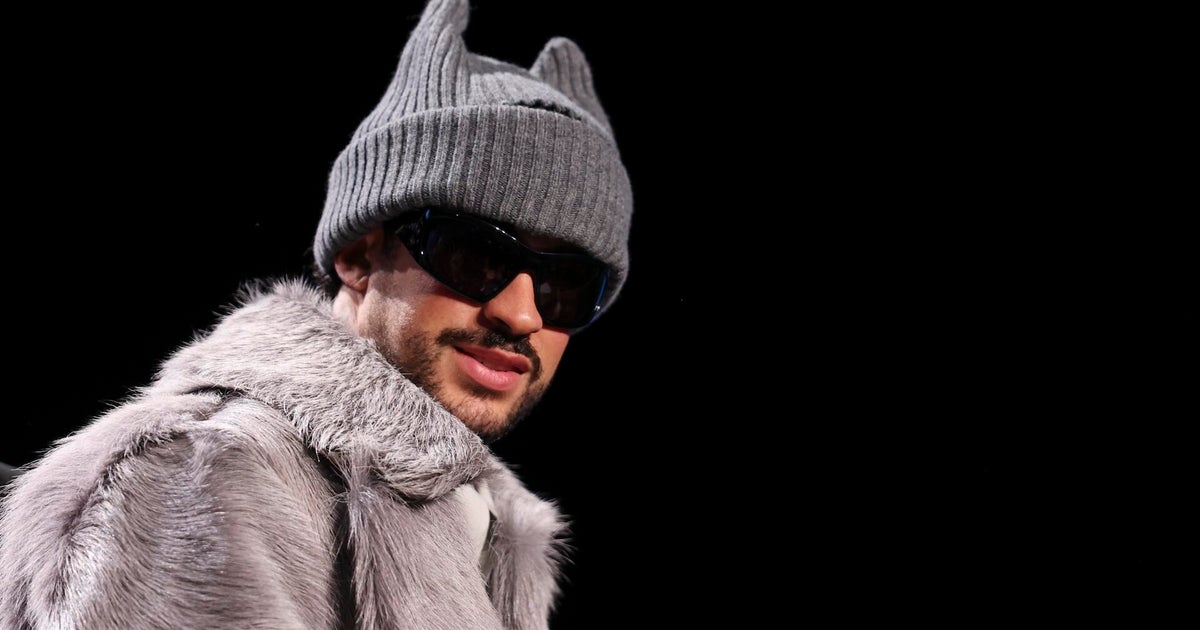
A Historic Moment: Bad Bunny Takes the Global Stage
The 2026 Super Bowl Halftime Show was more than just a musical performance; it was a cultural phenomenon. Sunday, February 8th, marked a pivotal moment in music history as Benito Antonio Martínez Ocasio, globally known as Bad Bunny, commanded the stage at Levi's Stadium in Santa Clara, California. The 31-year-old Puerto Rican superstar delivered a breathtaking, roughly 14-minute spectacle that captivated millions and etched his name into the annals of Super Bowl lore as the first artist with a primarily Spanish-language repertoire to headline the prestigious event.
This groundbreaking performance transcended mere entertainment, serving as a powerful affirmation of Latin music's expanding global influence and Bad Bunny's unparalleled ability to connect with diverse audiences. His presence on such a monumental platform was a testament to his artistry, his fearless embrace of his cultural roots, and his incredible chart dominance. For many, it was a moment of profound pride and representation, showcasing the vibrant sounds and stories of the Spanish-speaking world to an unprecedented global viewership. The anticipation leading up to the show was palpable, with fans eager to know precisely Bad Bunny Super Bowl 2026 Setlist: All Songs & Performance Details and how he would translate his unique blend of reggaeton, trap, and Latin pop to the world's biggest stage.
Deconstructing the Setlist: What Songs Did Bad Bunny Sing At The Super Bowl Lyrics Revealed
Bad Bunny's 2026 Super Bowl Halftime Show was a meticulously crafted journey through his discography, blending fan favorites with impactful selections from his latest critically acclaimed albums. For those wondering, what songs did Bad Bunny sing at the Super Bowl lyrics were largely in Spanish, echoing his commitment to his native tongue, yet resonated universally through his electrifying stage presence and the sheer energy of his music. The performance was a masterclass in dynamic showmanship, proving that language is no barrier to universal appeal. Here’s the comprehensive setlist that ignited the stadium:
- “Tití Me Preguntó”
- “Yo Perreo Sola”
- “Safaera”
- “Party”
- “VOY A LLeVARTE PA PR”
- “EoO”
- “MONACO”
- “Die With a Smile” (Lady Gaga)
- “BAILE INoLVIDABLE”
- “NUEVAYoL”
- “LO QUE LE PASÓ A HAWAii”
- “El apagón”
- “Café con Ron”
- “DtMF”
Each track was carefully chosen, contributing to a narrative arc that celebrated his Puerto Rican heritage, explored themes of love and loss, and delivered powerful social commentary. The inclusion of tracks like “Die With a Smile” (originally by Lady Gaga, performed here with Bad Bunny's unique flair) showcased his versatility, while his own hits highlighted the innovative sounds that have made him a global icon. For fans seeking to fully immerse themselves in the performance, understanding the Bad Bunny Super Bowl 2026 Lyrics: Spanish Hits & English Translations was crucial to grasping the depth of his artistry.
Beyond the Beat: Deep Dives into Key Lyrics and Their Impact
While the pulsating rhythms had everyone dancing, it was the lyrical depth that provided a deeper connection to Bad Bunny’s artistry. Several songs performed at the Super Bowl carry profound messages, often reflecting personal experiences, social issues, and cultural identity. Exploring these lyrics offers invaluable insight into the mind of this groundbreaking artist.
“DtMF” (Debí Tirar Más Fotos)
Perhaps the most poignant selection from his latest Grammy-winning album, “DtMF” (Debí Tirar Más Fotos), meaning “I Should Have Taken More Photos,” resonated deeply with many. Its lyrics, “Debí tirar más fotos de cuando te tuve / Debí darte más beso' y abrazo' las vece' que pude / Ey, ojalá que los mío' nunca se muden,” translate to: “I should have taken more photos when I had you / I should have given you more kisses and hugs the times that I could / Hopefully my loved ones will never move.” This song captures a universal sense of nostalgia and the longing to cherish everyday moments, a sentiment often amplified for immigrants or those living far from their families, making it incredibly relatable and emotionally potent.
“NUEVAYoL”
A vibrant celebration of the Puerto Rican diaspora, “NUEVAYoL” paints a vivid picture of islanders thriving in the mainland, specifically New York City. Lyrics like, “Ey, ey, ey, 4 de julio, 4th de July / Ando con mi primo, borracho, rulay / Los mío' en El Bronx saben la que hay / Con la nota en high por Washington Heights,” describe a joyous scene: “On the Fourth of July, / I am with my cousin, drunk, relaxing, / with mine in The Bronx, / you know what there is, / with the note on high in Washington Heights.” By sampling the legendary salsa orchestra “El Gran Combo de Puerto Rico,” Bad Bunny masterfully bridges generations and showcases the enduring spirit and cultural pride of his people.
“LO QUE LE PASÓ A HAWAii”
This powerful track serves as a stark warning against gentrification, a pressing issue affecting Puerto Rico. Bad Bunny's lyrics, “Quieren quitarme el río y también la playa / Quieren el barrio mío y que abuelita se vaya / No, no suelte' la bandera ni olvide' el lelolai / Que no quiero que hagan contigo lo que le pasó a Hawái,” directly translate to: “They want to take the river from me, and the beach too / They want my neighborhood and for my grandma to leave / Do not surrender the flag, or forget the lelolai / Because I do not want them to do to you what happened in Hawaii.” He draws a direct and impactful comparison to the economic and cultural displacement seen in Hawaii, highlighting the urgency of preserving Puerto Rican land and identity against external pressures.
“VOY A LLeVARTE PA PR”
A quintessential Bad Bunny track, “VOY A LLeVARTE PA PR” (I'm Going to Take You to PR) is an open invitation to experience the vibrant culture of Puerto Rico. The direct, playful lines “Vo'a llevarte pa' PR, mami, pa' que vea' cómo es que se perrea / Tráete a tu ami” (I'm going to take you to PR, mami, so you can see how we 'perrea' / Bring your friend) encapsulate the infectious energy of reggaeton and the island's welcoming spirit. It's a call to embrace joy, dance, and the unique flavor of Puerto Rican life.
These lyrical deep dives underscore that Bad Bunny's music is not just for dancing; it's a vehicle for storytelling, social commentary, and emotional expression. His Super Bowl performance was a vibrant testament to the power of art to both entertain and provoke thought.
The Global Impact and Spectacle of the Performance
Beyond the individual songs, Bad Bunny's Super Bowl Halftime Show was a meticulously orchestrated spectacle. The production values were immense, featuring a dynamic stage design, dazzling pyrotechnics, and a vibrant ensemble of dancers who brought each track to life. His command of the stage was undeniable, moving seamlessly from high-energy reggaeton anthems to more introspective moments, all while maintaining an electric connection with the audience.
The performance wasn't just about the music; it was a celebration of identity. From his attire to the visual storytelling woven throughout the show, every element paid homage to his Puerto Rican heritage and the broader Latinx experience. This unapologetic display of culture on such a massive international platform resonated deeply, solidifying Bad Bunny’s status not just as a music star, but as a cultural ambassador. His ability to deliver such an impactful, solo-led show (with only subtle musical interpolations/references like Lady Gaga's “Die With a Smile” rather than direct feature guests) demonstrated his immense star power and the strength of his own catalog.
Tips for Appreciating Bad Bunny's Halftime Masterclass
To truly appreciate the artistry and significance of Bad Bunny's 2026 Super Bowl Halftime Show, consider these tips:
- Embrace the Language Barrier (or lack thereof): Don't let Spanish lyrics deter you. Bad Bunny's music transcends language through its rhythm, emotion, and performance. Many found themselves dancing and singing along without a full understanding of every word, demonstrating music's universal power.
- Explore the Translations: For a deeper understanding, seek out English translations of his lyrics. This will unlock layers of meaning, social commentary, and personal reflection that might otherwise be missed. His songwriting is often as sophisticated as his beats.
- Understand the Cultural Context: Many of his songs are deeply rooted in Puerto Rican culture, the Latinx immigrant experience, and broader social issues. Learning about these contexts enriches the listening experience and highlights the importance of his voice.
- Re-watch the Performance: The Super Bowl Halftime Show is a visual feast. Re-watching allows you to catch subtle choreographic details, costume changes, and stage dynamics that might have been missed in the initial excitement.
- Dive into His Discography: The halftime show is just a snippet. Explore Bad Bunny's albums to understand his evolution as an artist, the breadth of his musical styles, and the consistent themes he explores in his work.
Whether you were there for the spectacle, the beats, or the cultural moment, taking a closer look at Bad Bunny Super Bowl 2026 Setlist: All Songs & Performance Details and the stories behind the songs truly enhances the experience.
Bad Bunny's 2026 Super Bowl Halftime Show was an unforgettable spectacle, a vibrant fusion of music, culture, and social consciousness that resonated across the globe. By delivering a performance primarily in Spanish, he didn't just entertain; he broke barriers and opened doors, solidifying his legacy as a trailblazer and a powerful voice for a new generation. The energy, the messages, and the sheer historical significance of his set list ensured that his performance will be remembered for years to come as a watershed moment in both music and sports entertainment.